
Identify and interpret fields and derived products

The monthly meetings (2020 - 2021) inform trainers about the MTG satellites, their onboard instruments, data, case studies, products, proxy data that can be used and everything connected to the training topic. The meetings were mainly intended for trainers, but the recordings are available to anyone.
Topics from this meeting: Day Microphysics RGB, Typical Colours Cloud Type RGB, Merger of two meetings.
Meeting 10 December 2021 - 34 min

The monthly meetings (2020 - 2021) inform trainers about the MTG satellites, their onboard instruments, data, case studies, products, proxy data that can be used and everything connected to the training topic. The meetings were mainly intended for trainers, but the recordings are available to anyone.
Topics from this meeting: Day Microphysics RGB, Merger of two MTG meetings, 0.4 and 0.5 μm channel QGs.
Meeting 8 November 2021 - 75 min

The monthly meetings (2020 - 2021) inform trainers about the MTG satellites, their onboard instruments, data, case studies, products, proxy data that can be used and everything connected to the training topic. The meetings were mainly intended for trainers, but the recordings are available to anyone.
Topics from this meeting: 0.4 μm channel Quick Guide, 0.5 μm channel Quick Guide.
Meeting 4 October 2021 - 75 min

The monthly meetings (2020 - 2021) inform trainers about the MTG satellites, their onboard instruments, data, case studies, products, proxy data that can be used and everything connected to the training topic. The meetings were mainly intended for trainers, but the recordings are available to anyone.
Topics from this meeting: Marian Cyclone Case, MTG 3T Survey Results, EUMeTrain logo and colours.
Meeting 7 June 2021 - 47 min
The monthly meetings (2020 - 2021) inform trainers about the MTG satellites, their onboard instruments, data, case studies, products, proxy data that can be used and everything connected to the training topic. The meetings were mainly intended for trainers, but the recordings are available to anyone.
Topics from this meeting: LST in ePort, New EUMeTrain logo, Course Planning.
Meeting 3 May 2021 - 56 min
The monthly meetings (2020 - 2021) inform trainers about the MTG satellites, their onboard instruments, data, case studies, products, proxy data that can be used and everything connected to the training topic. The meetings were mainly intended for trainers, but the recordings are available to anyone.
Topics from this meeting: Cloud Phase RGB Cases, RGB Colour Selector, RGB Comparisons.
Meeting 9 April 2021 - 61 min
The monthly meetings (2020 - 2021) inform trainers about the MTG satellites, their onboard instruments, data, case studies, products, proxy data that can be used and everything connected to the training topic. The meetings were mainly intended for trainers, but the recordings are available to anyone.
Topics from this meeting: Cloud Phase RGB Extended Guide Cases, MTG 3T workshop.
Meeting 5 March 2021 - 31 min
The monthly meetings (2020 - 2021) inform trainers about the MTG satellites, their onboard instruments, data, case studies, products, proxy data that can be used and everything connected to the training topic. The meetings were mainly intended for trainers, but the recordings are available to anyone.
Topics from this meeting: Cloud Phase RGB Extended Guide, Snow Types in Cloud Phase RGB.
Meeting 5 February 2021 - 39 min
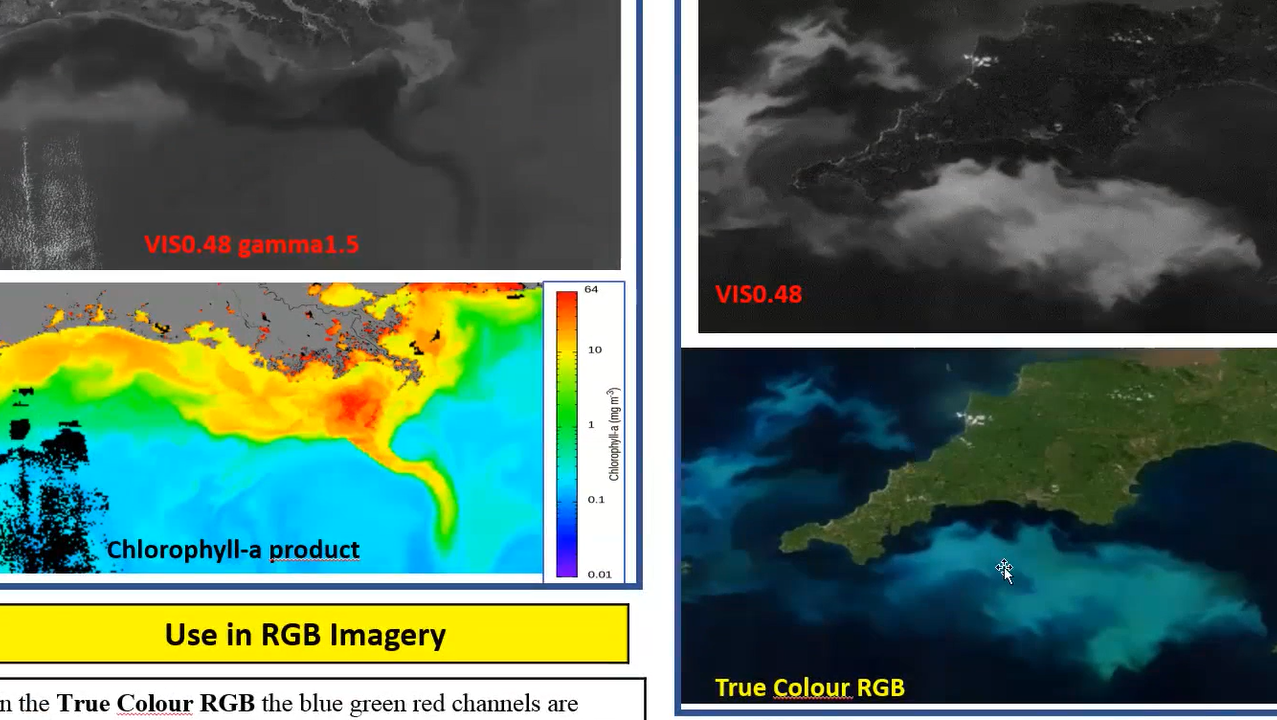
The monthly meetings (2020 - 2021) inform trainers about the MTG satellites, their onboard instruments, data, case studies, products, proxy data that can be used and everything connected to the training topic. The meetings were mainly intended for trainers, but the recordings are available to anyone.
Topics from this meeting: Extended Quick Guide Template, Cloud Phase RGB Extended Guide.
Meeting 11 January 2021 - 22 min
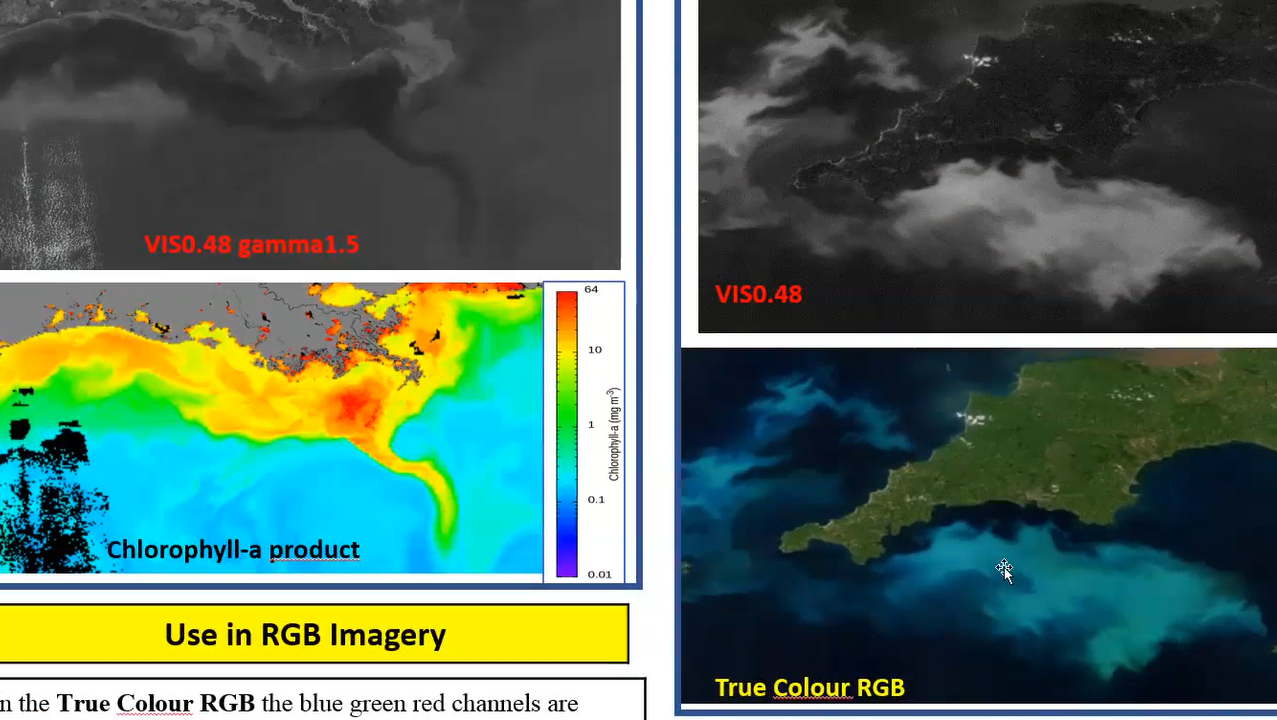
The monthly meetings (2020 - 2021) inform trainers about the MTG satellites, their onboard instruments, data, case studies, products, proxy data that can be used and everything connected to the training topic. The meetings were mainly intended for trainers, but the recordings are available to anyone.
Topics from this meeting: Quick Guide Template, Cloud Type RGB Extended Guide, Cloud Phase RGB Extended Guide.
Meeting 7 December 2020 - 24 min
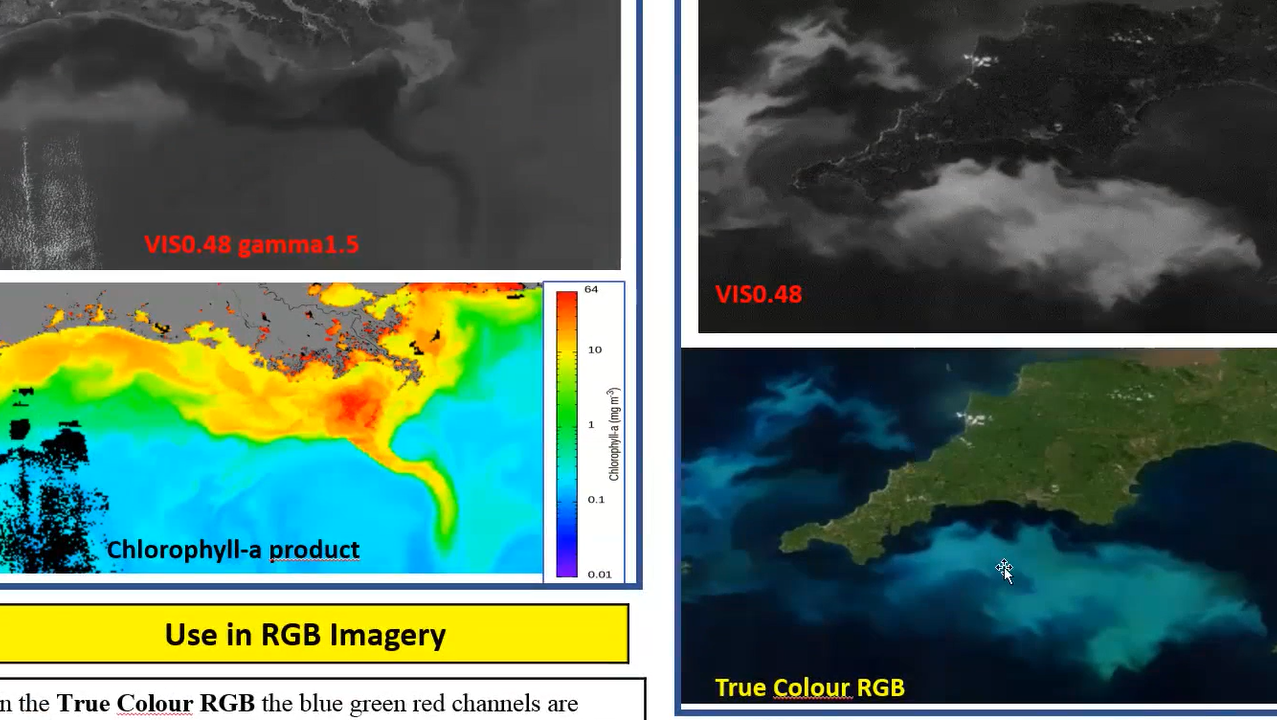
The monthly meetings (2020 - 2021) inform trainers about the MTG satellites, their onboard instruments, data, case studies, products, proxy data that can be used and everything connected to the training topic. The meetings were mainly intended for trainers, but the recordings are available to anyone.
Topics from this meeting: Extended RGB Quick Guides, Extended QG Template.
Meeting 2 November 2020 - 57 min
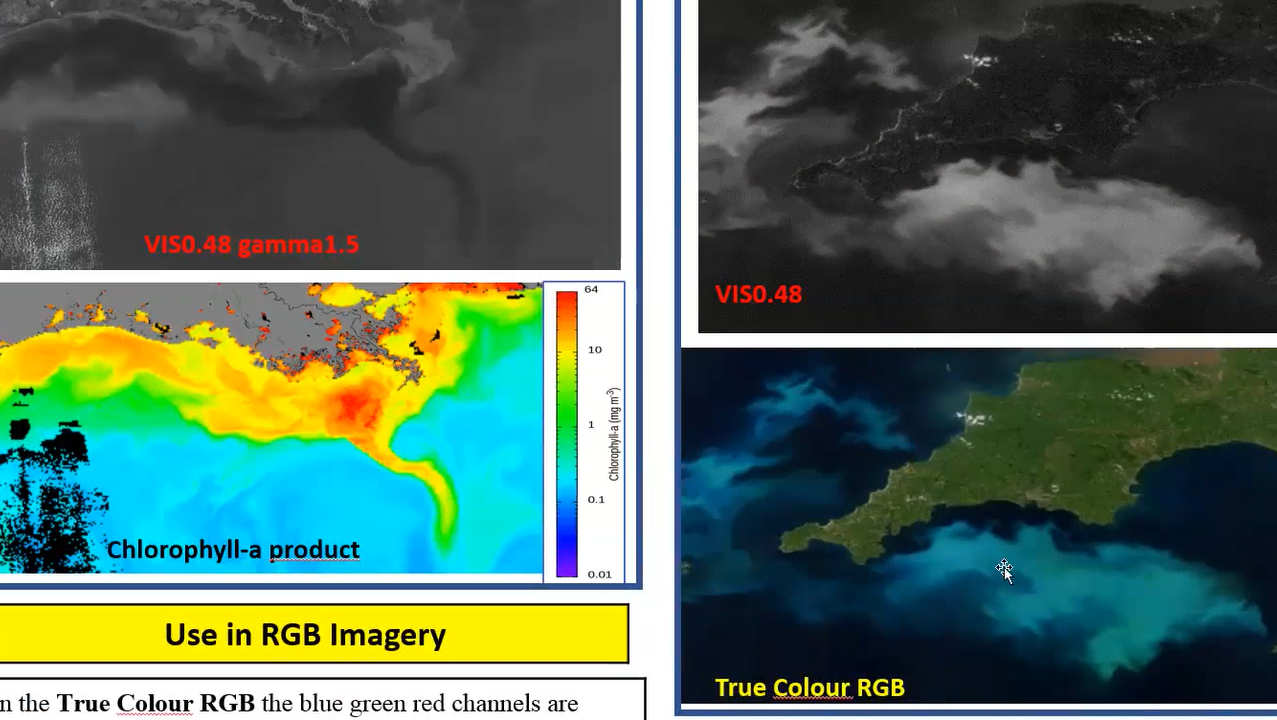
The monthly meetings (2020 - 2021) inform trainers about the MTG satellites, their onboard instruments, data, case studies, products, proxy data that can be used and everything connected to the training topic. The meetings were mainly intended for trainers, but the recordings are available to anyone.
Topics from this meeting: 0.9 μm channel, Fire Temperature RGB.
Meeting 2 October 2020 - 49 min